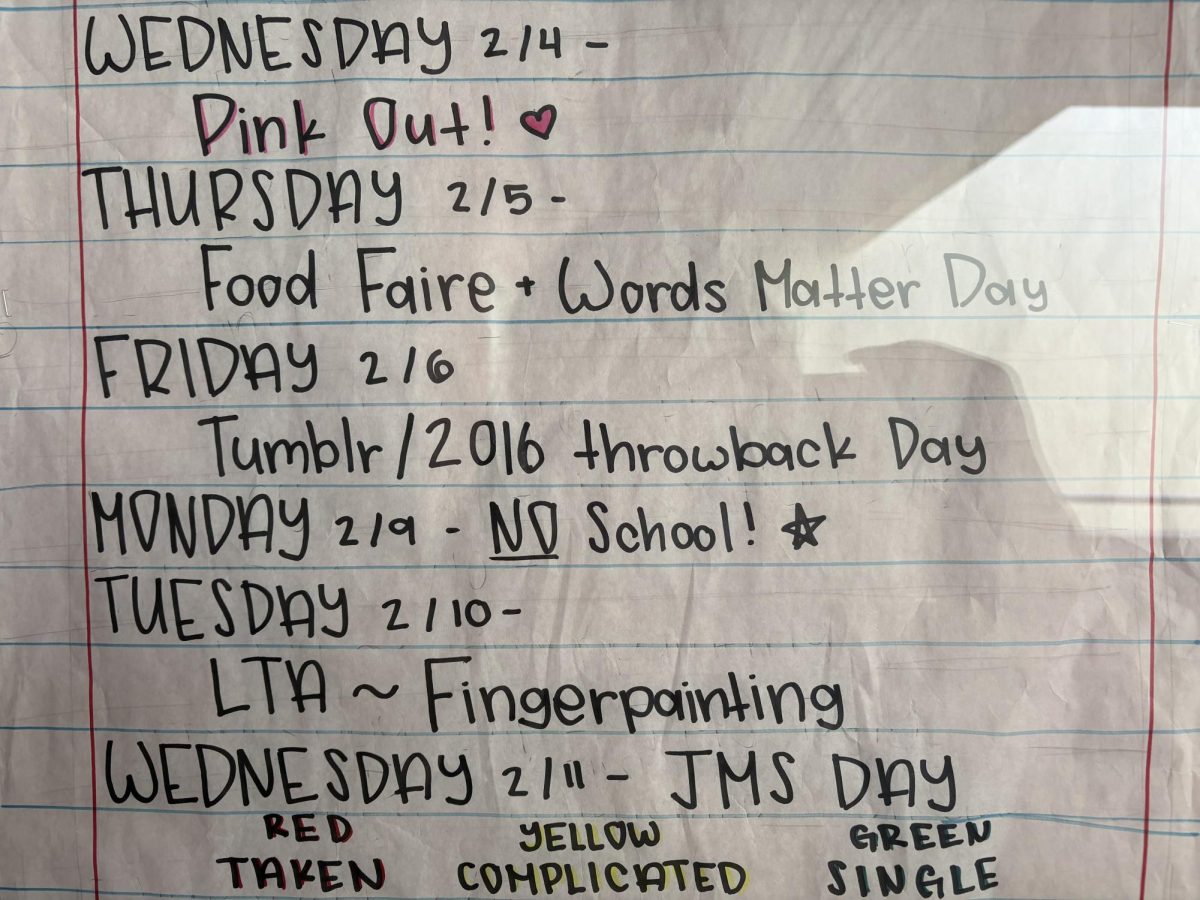
As time goes on, social media is always riding a new trend, with the most recent fixation being the year 2016. What started as a few nostalgic posts quickly turned into a nationwide mania, with users intentionally recreating the aesthetics, humor and music of the mid-2010s. From over-the-top makeup to dog-face filters, the internet has collectively decided to rewind the clock, rebranding 2026 as the new 2016.
However, while the trend may seem harmless and fun, it raises a bigger question: why are we so eager to relive the past? For many teenagers and young adults, 2016 represents a time when people could be carefree and not have to worry about larger issues. “2016 was the best year ever,” English teacher Adam Calleja said.
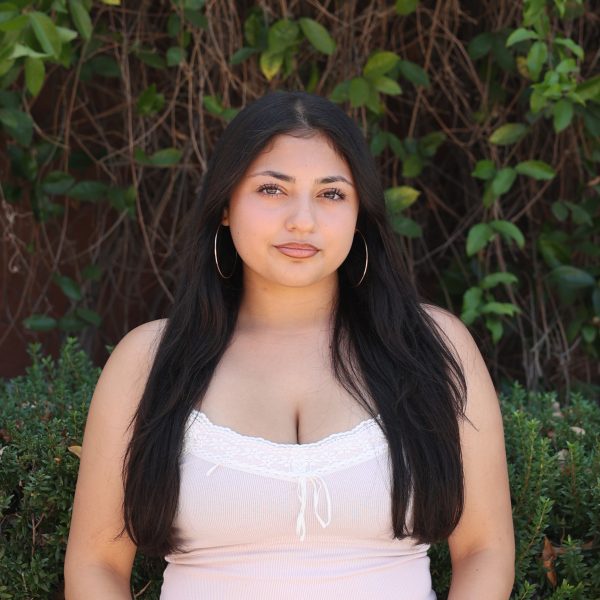
“When I think of 2016, I think of happiness,” sophomore Melanie Tun said.
That sense of nostalgia has influenced more than just captions and comments; it is shaping how students dress, edit photos and present themselves online. Students and influencers alike are posting selfies using heavily saturated filters to recreate the “vibe” of 2016. Certain fashion staples are even back in style. “I’d say since the trend started, I’ve been wearing my high-top UGGs a lot recently, and Victoria’s Secret PINK for sure made a comeback,” senior Amy Yuan said.
The music of 2016 is also making a return. Songs from artists like Drake, Rihanna and Fetty Wap are resurfacing in playlists and trending audios. For many students, these tracks bring back memories tied to that era.
“I feel like it can’t be a coincidence that 2016 started trending right as Fetty Wap was released from prison,” Yuan said.
The rapper’s recent release has become more than celebrity news — for many fans, it feels symbolic. Fetty Wap was one of the defining artists of 2016, and his return to the spotlight has only intensified the longing for that time. While the trend may not be directly connected to his return, the timing reinforces how strongly people connect music and public figures to specific periods in their lives. In many ways, the renewed attention surrounding him highlights a deeper reason behind the trend: people are not just missing a year, but the feelings and memories they associate with it.
Every generation tends to label a certain time as “the best,” often remembering the highlights while overlooking the awkward phases and challenges that also existed. For some students, like Tun, 2016 feels especially carefree because of how young she was. “I was in first grade, so I honestly didn’t have anything to worry about,” Tun said. Her reflection shows that the nostalgia surrounding the year for this generation may be less about the reality of 2016 and more about the innocence of childhood. Social media has a way of polishing memories, turning ordinary years into iconic ones.
Whether the trend fades in a few weeks or sticks around longer, it reflects how quickly the internet can reshape the way we remember the past.