For many high school seniors, the final year is supposed to be a time of celebration, but for too many students, it feels more like a financial burden. With major events and necessities piling up, senior year can quietly cost hundreds of dollars, raising the question: Are these traditions becoming inaccessible?
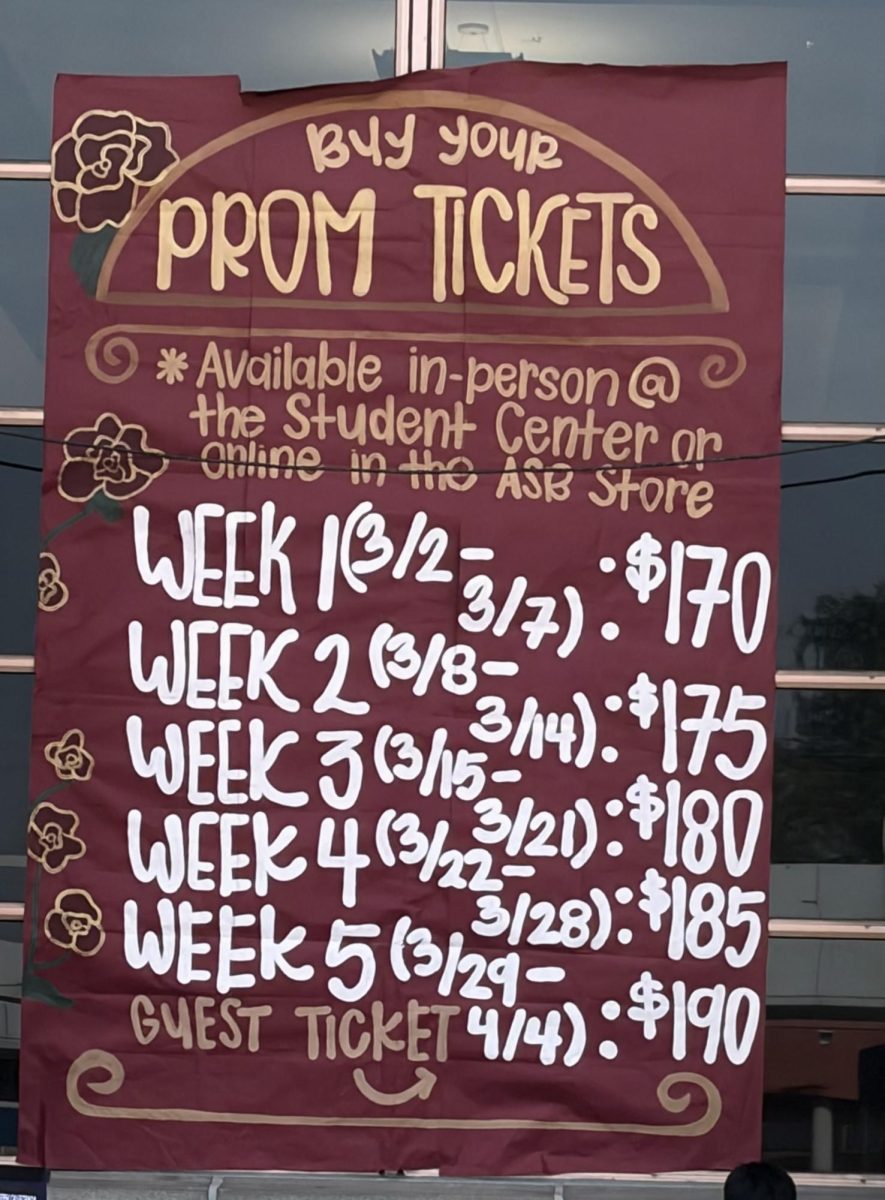
A breakdown of typical senior expenses reveals the issue. Grad Bash alone can cost around $170, while a yearbook adds another $110. Prom tickets range from $165 to $190, and even basic items like a cap and gown cost about $35. For students who drive, a parking spot can add an additional $40. Along with college applications, participating fully in senior year can exceed $500, an amount that is not manageable for every family.
Students themselves are noticing the pressure. Senior Jean-Paul Madi said, “You want to be part of everything, but it adds up fast.” Others echo this concern, pointing out that these events are often advertised as once-in-a-lifetime experiences, making it harder to opt out without feeling left behind.
Adults also recognize the growing cost. “Schools don’t always realize how quickly these fees accumulate,” said the parents of senior Tran Tran Nguyen. “Individually, each cost might seem reasonable, but together they can exclude students who can’t afford it.” This raises concerns about equity and whether all students truly have equal access to the full senior experience.
Despite these challenges, solutions are possible. Schools can offer more flexible payment plans, increase fundraising opportunities, or provide fee waivers for students in need. Community sponsorships and student-led fundraisers could also help offset costs, ensuring that no one is left out due to financial barriers.
Senior year should be about making memories, not managing expenses. By acknowledging the financial strain and taking steps to reduce it, schools can create a more inclusive experience, one where every student has the chance to fully participate in the milestones that mark the end of high school.