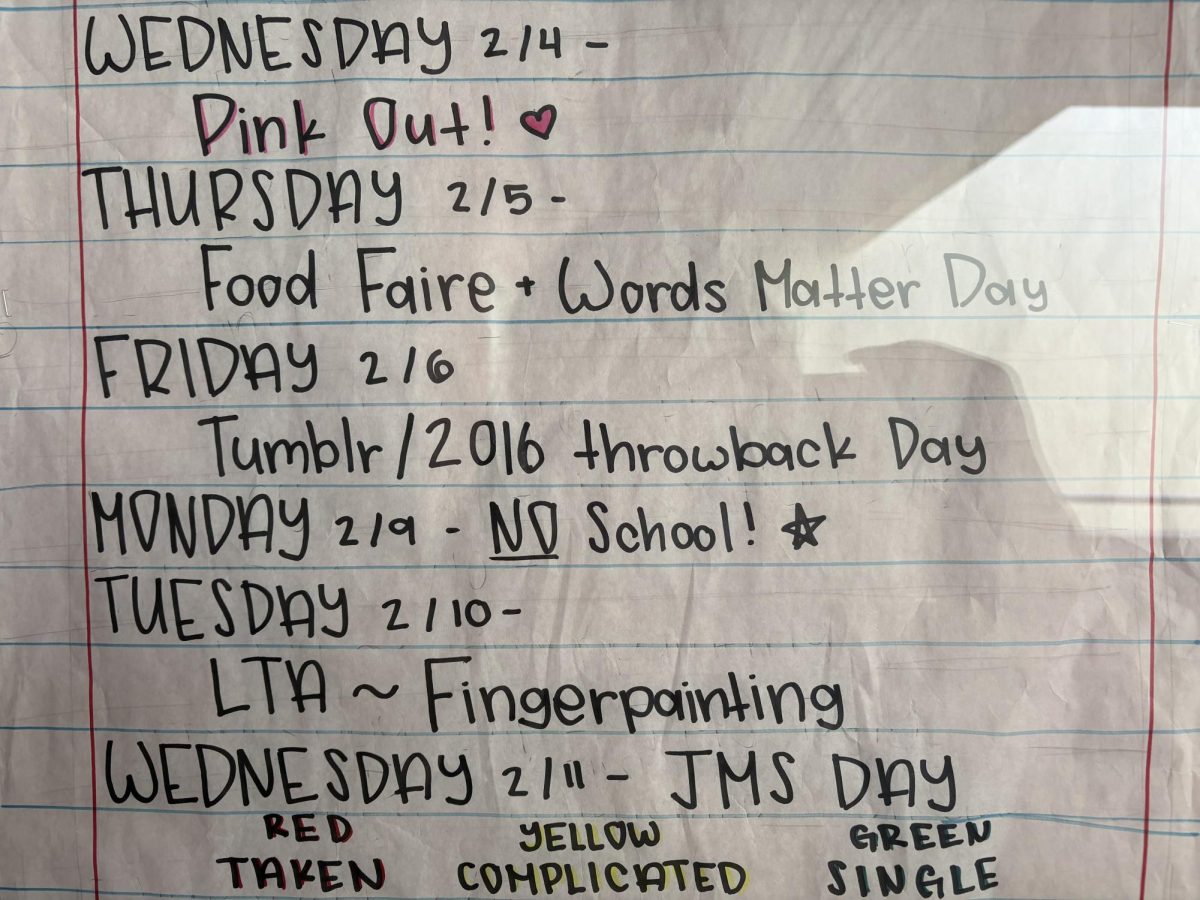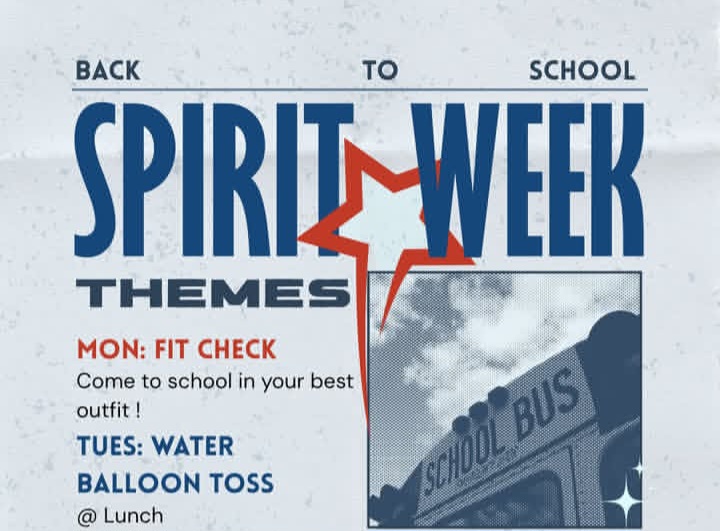
The fact that the Senior Parade didn’t happen this school year isn’t just because it was an off day—it’s part of the trend of school spirit and participation in Spirit Week declining. However, the biggest reason isn’t laziness: it’s discomfort.
Students like Michelle Cazarez, senior, say that they avoid Spirit Week because they do not want to stand out. “I don’t know that many people who dress up for Spirit Week, so I’m nervous everybody will look at me if I do.” When participation in Spirit Week is expected to be low, this hesitation leads to an even smaller turnout. For adolescents who already experience social discomfort in a number of other situations, this potential judgment is a significant reason behind not participating.
An example of this was the Senior Parade. Associated Student Body (ASB) member Krystal Ngeam, senior, said, “The Senior Parade didn’t end up happening due to many of the seniors not having time to decorate their crowns.” The students lacked some of the expected energy and participation levels. However, Ngeam added that “knowing that it will get rescheduled makes [her] excited to celebrate it with [her] friends.”
The pandemic also played a major role in the level of student participation in Spirit Week. During distance learning, traditions like Spirit Week were paused, and students became used to an isolated style of education. Ngeam said, “It really was such a drastic change in everyone’s lives… Back then everyone was trying to get their lives back together and adjusting to being back in-person at school.” This normalized seclusion resulted in current students having more difficulty with engaging and joining in on school events.
ASB students feel this impact more directly. Ngeam added, “I think the biggest reason students do not participate in Spirit Week is because our school isn’t really that spirited.” This low participation doesn’t mean that students do not care. “…Students may feel embarrassed and don’t want to step out of their comfort zone,” Ngeam added. When it comes to embarrassment, however, Ngeam’s perspective is upbeat: “…Funny enough I think that’s what makes it fun!”
Ngeam and Cazarez both noted that there was a higher level of participation in Spirit Week when activities felt accessible and supported by other students. “Within ASB, we try to incorporate new spirit ideas that would make people want to participate,” Ngeam said. Simple and trendy themes, group participation, and visible staff involvement tended to have more participation. “Themes like PJ day and Performative Day are funny and make me want to join,” Cazarez stated.
To increase participation in Spirit Week, we need simpler themes, stronger promotion, and wider participation from staff and student leaders. Encouraging groups to participate together, hyping up Spirit Week in classrooms, or offering small incentives like candy could also contribute to normalizing involvement.
Spirit Week will not change itself. If we want school Spirit Week to be more inclusive, we have to create an environment where students feel comfortable joining in.