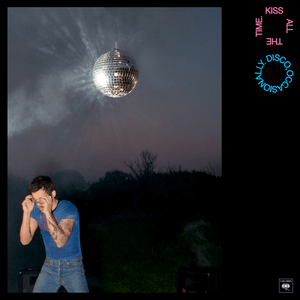
After nearly four years of not releasing new music, Harry Styles has officially returned to music with his new album “Kiss All the Time, Disco Occasionally,” released March 6. The album marks his first project since “Harry’s House,” which came out in 2022.
Since finishing his most recent world tour in 2023, Styles has largely stepped away from releasing new music. His return generated significant excitement from fans, with the album earning more than 60 million streams on its first day.
The comeback began earlier this year when Styles released the single “Aperture” on Jan. 26, giving listeners their first look at the album’s sound. Overall, “Kiss All the Time, Disco Occasionally” feels like one of Styles’ most experimental projects. The record leans into funk-inspired production, layered instrumentals, and rhythmic experimentation. While the production creates several exciting moments, it also places less emphasis on the vocals and lyricism that helped define some of Styles’ earlier work.
“Aperture” opens the album with a slow build, setting the album’s tone and sound.
“American Girls” follows with a brighter sound. The track feels somewhat reminiscent of Styles’ earlier work with One Direction, but it adds a new energy through drums, piano, and upbeat production. The influence of 1960s pop music is noticeable in the rhythm and instrumentation, which helps create a fun and nostalgic atmosphere.
One of the strongest songs on the album, and a personal favorite is “Ready, Steady, Go.” The track introduces a darker tone than the previous songs. An electric guitar drives the sound while Styles sings softly over the instrumental, creating a contrast that works to capture the excitement of a late summer night spent with friends and the feeling of heading out on an adventure.
“Are You Listening Yet?” begins with chant-like humming before shifting into a more confrontational tone. The lyrics feel almost provocative, as if Styles is urging someone to pay attention to their own thoughts instead of outside opinions.
“Taste Back” is another one of the album’s highlights. The song is fun and upbeat and has a catchy chorus making the song feel like a perfect summer track.
“The Waiting Game” takes a more experimental approach. Built around guitar and unusual production choices, the track reflects its title through its structure. The song repeatedly builds tension as if a dramatic beat drop is about to occur, but it never fully arrives. Instead, Styles relies on pauses, echoes, and layered harmonies to keep the track interesting.
“Season 2 Weight Loss” continues the experimental trend but does not leave the same impression. Styles’ voice is heavily layered with distortion, blending it into the instrumental rather than allowing it to stand out. While the retro beat is easy to listen to, the track feels somewhat repetitive.
Many of Styles’ most popular songs stand out because of his vocal performance and storytelling, such as “Sign of the Times” and “Fine Line.” In this case, those strengths take a back seat to the production.
“Coming Up Roses” provides a refreshing change from the heavier production heard earlier in the album. The song features piano and an orchestral section that creates a slightly tense atmosphere, reflecting the song’s message as it explores the insecurity and vulnerability of a new relationship.
Styles’ vocals are particularly strong here, and the stripped-down instrumentation allows his voice to shine. The emotional delivery and elegant arrangement make the song one of the album’s highlights.
The upbeat energy returns with “Pop,” a playful song about making mistakes that someone knows will likely happen again. The lyrics are lighthearted and the chorus is catchy, matching the lively production.
“Dance No More” leans further into the disco influence hinted at throughout the album. The track includes background voices and clapping that make it sound like a crowded dance floor. Voice modulation appears again but is used more sparingly, adding to the upbeat rhythm instead of overpowering it.
“Paint by Numbers” slows the pace again and explores the idea of learning about life as it happens. Although the concept is interesting, the song feels slightly mismatched at times. Some sections feature faster vocals over a slow beat, which interrupts the flow of the track. As a result, the song feels less memorable than others on the album.
The album closes with “Carla’s Song,” which begins with a gradually building beat before shifting into a calm and reflective tone. The lyrics offer a hopeful message, ending the album on a peaceful note.
Overall, “Kiss All the Time, Disco Occasionally” shows Styles continuing to experiment with his sound. The album places a strong emphasis on production, rhythm and funk-inspired instrumentation. While that approach creates several fresh and exciting tracks, it sometimes reduces the focus on the vocals and lyricism that have made many of his previous songs stand out.
Even so, the album demonstrates Styles’ willingness to evolve as an artist. His previous record, “Harry’s House,” hinted at his interest in experimenting with funk and unconventional production, and this new album pushes those ideas even further.
Although the album is not among my favorite of Styles’ work, “Kiss All the Time, Disco Occasionally” remains an interesting and creative project that highlights Styles’ growth as an artist.