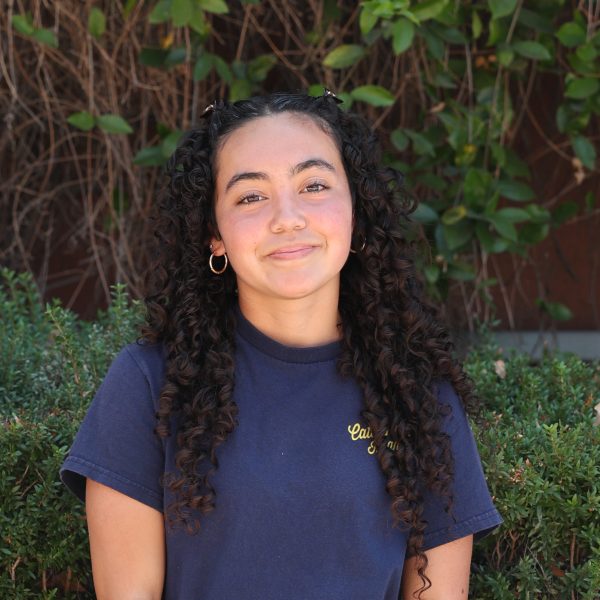
“When you’re Black in America, you represent history,” says freshman Aba Freeman.
For her and other students on campus, being Black is not just a skin color, but a reminder of the struggles of their ancestors, a legacy, and proof of how far they have come. Today, we live in a world where Black culture influences every corner of our lives, from the fashion we wear and the cuisine we enjoy to the everyday slang and ideas that shape our politics.
In February, we honor these contributions through the nationally recognized celebration of Black History Month, spotlighting the Black lives that shape our country.
For Freeman, Black History Month is about “recognizing all the things Martin Luther King Jr. has said and done for us.” She says she feels proud of how far Black Americans have come, especially in the face of police brutality and harassment due to racial profiling.
When asked how she feels as a Black individual in America, Freeman reflects, “There’s always a target on your back. You never know if someone actually likes you.” She says she frequently questions whether people accept her as a person or if those around her are pretending to do so.
Growing up, Freeman says she often felt excluded and unlike her peers.
“As a kid, you start asking questions like, ‘Why am I the only dark-skinned kid in this school?’” she says.
Freeman explains that she struggled with feelings of disassociation and not belonging because of differences in culture and skin color compared to other children her age, especially in an area where being Black was rare.
She adds, “Every Black kid goes through this where they don’t want to be their color anymore.”
Eventually, she grew to accept her differences and love her skin color.
“I like being Black. It shows how strong you are.”
For sophomore Iyanna Ollie, a Black role model she looks up to is University of Southern California (USC) volleyball player Adonia Faumuina.
“She’s my main inspiration because I play that sport too,” Ollie says.
Ollie comments on the influence of Black culture on contemporary fashion, saying, “A lot of the baggy styles, hoop earrings and edges come from Black culture. A lot of recent styles too.” She acknowledges that while some may view wearing Black-inspired fashion as cultural appropriation, she does not feel protective of those styles and is comfortable with others wearing them.
“I feel like it’s cool that other races want to be like Black people,” says sophomore Da’ja Harris.
“Black people have a lot of stereotypes. Everyone thinks Black people steal, but I always do the right thing,” Harris says. For him, Jesus is his main inspiration in life.
When asked whether he feels misunderstood because of his differences, Harris says, “People make jokes and stuff, but I don’t really let it get to me.”
Although being Black comes with hardships that others may not experience, there is a sense of unity that many African Americans find within one another.
“I like that we stand out,” Harris says. He explains that this individuality creates a uniqueness that comes with being Black.
While February is dedicated to celebrating this history, the experiences shared by students extend far beyond a single month. Through their voices, they describe what it is like to represent something far larger than themselves. Their stories show that Black History Month is not only about remembering historical events, but also about recognizing a community that continues to shape history today.