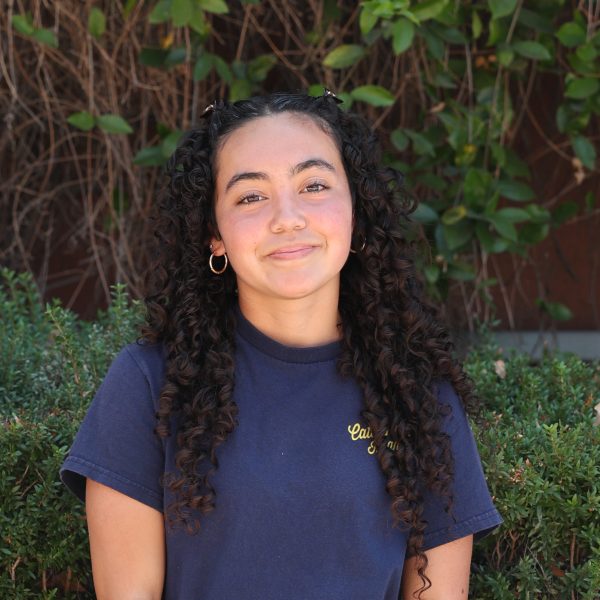
“Hanukkah is a reminder that I live in an area where no one celebrates the holiday,” said junior Mila Katz.
For many, December marks the start of a season filled with gingerbread houses, snowmen, mistletoe and candy canes. Familiar Christmas tunes like “Feliz Navidad,” “We Wish You a Merry Christmas” and “All I Want for Christmas Is You” fill the air, while store shelves are stocked with festive décor.
But for some families, the winter season is centered around a different holiday — Hanukkah.
For Jewish families in San Gabriel, December is a time of remembrance and dedication, honoring the battle fought by the Maccabees against the Syrian-Greeks and the rededication of the Holy Temple.
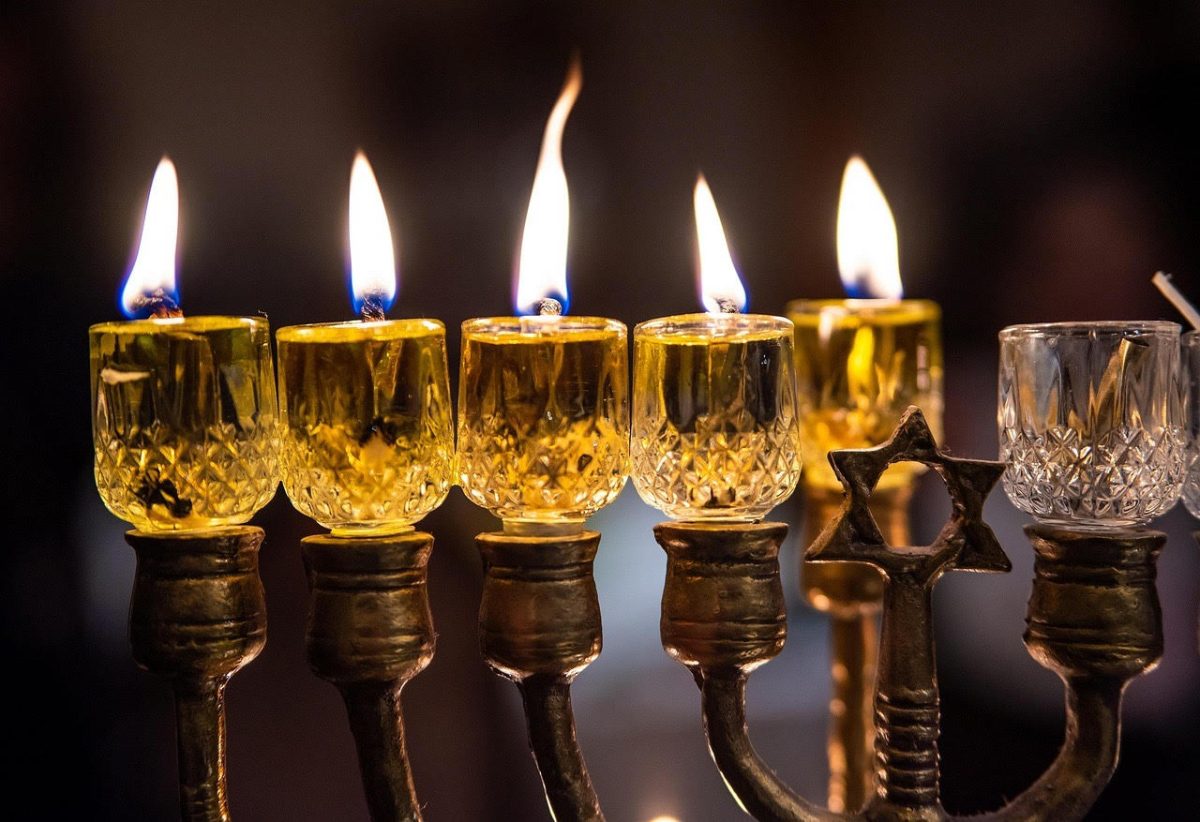
Central to the holiday is the menorah, a symbol of the eight-day miracle in which oil meant for one day burned for eight. Beyond its historical meaning, the menorah represents light in darkness and the perseverance of the Jewish people.
“The holiday commemorates what was a potentially bleak moment in Jewish history when a holy place was ransacked, and acts of antisemitism were pretty rampant,” said English teacher Scott Facher.
Hanukkah is most commonly celebrated through lighting the menorah on each of the eight nights, saying prayers, singing songs, playing games with a dreidel and eating fried foods.
“We eat the traditional Hanukkah foods—potato latkes—and I share with my kids what I did during Hanukkah when I was their age,” Facher said.
Facher’s family follows the traditional route by lighting a candle each night, eating Hanukkah foods and sharing memories.
However, Hanukkah is not celebrated the same way in every household. For Katz, her family enjoys a Russian-Jewish-style feast combining dishes from both cultures.
“We have brisket and we have latkes,” said Katz. “And we have those with applesauce and sour cream.”
After the meal, “We’ll all play games—not only dreidel—but just random card games and stuff,” she added.
Despite their different styles of celebration, both Katz and Facher agree on one thing: Hanukkah is often misunderstood as a major religious holiday, when in fact it is not.
“I feel like the holiday is important, but it’s not a deeply religious holiday,” Facher said. “The Jewish high holidays in the fall are more devoutly religious holidays.”
Katz agreed. “Hanukkah is a pretty low-key holiday; it’s not a big Jewish holiday, so we don’t do too much,” she said.
With so much cultural focus on Christmas, Hanukkah often passes more subtly through the winter season, raising questions about how those who celebrate it feel during this time.
When asked about underrepresentation in San Gabriel, Katz said, “Especially at this school, even though I’m probably the only Jewish person here, why is there a giant Christmas tree with presents? I want a giant menorah with presents.”
Katz’s desire for equal representation highlights a broader issue: when schools unconsciously center widely recognized cultures, students from minority backgrounds can feel excluded.
Whether Hanukkah is celebrated with traditional foods, dreidel games and candle lighting, or in a more personalized way, it remains a holiday rich in history and culture. By moving beyond surface-level assumptions and taking time to learn more, the San Gabriel community can foster a more inclusive and informed environment.